
The Map of the Tap: Why Beer Styles Are the Soul of the Craft
Here in Thessaloniki, if you walk into The Hoppy Pub, you’ll face 18 f***ing taps staring you down. You’ll see brand names, creative titles, ABVs, and one more crucial detail: the beer style.
Czech Pilsner, Porter, Helles Lager, Italian Pilsner, Quadruppel, Hazy IPA, Dark Lager, Lambic, American IPA… the list feels endless. These styles work as a map. And because the world of beer is constantly evolving, these maps need regular updates. With the release of the 2026 Brewers Association Beer Style Guidelines last week, it’s the perfect time to talk about why these styles exist—and why they matter.
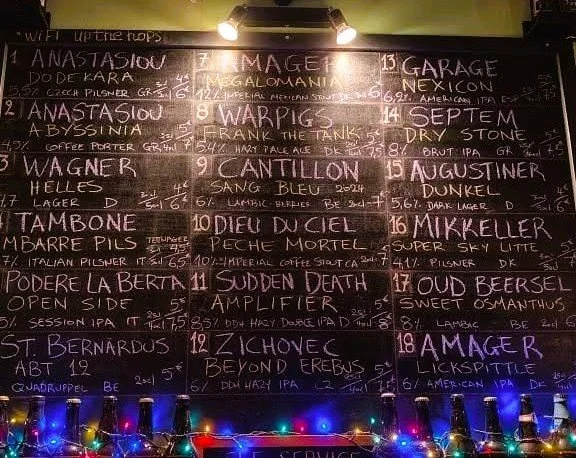
A random picture of the f***ing 18 taps at The Hoppy Pub.
Bridging Intent and Expectation
When most people enter a pub, they just want to know if the beer tastes good. But "good" is subjective. We can’t assume everyone likes the same. One of the primary goals of categorizing beer is to bridge the gap between the brewer’s intention and the consumer’s expectation.
With over 150 documented styles, "tasting good" is just the baseline. In our B2B activities at BrewVentures Beer Experiences, we often surprise guests with styles they never imagined existed. People who claim they "don't like beer" are often the perfect candidates for loving a Lambic, a Flanders Red Ale, or other acidic styles. The style name is the key that unlocks that discovery.
The Judge’s Perspective
On a more practical level, guidelines are the backbone of homebrewing and professional competitions. Like me, any BJCP judge needs to put personal taste aside. We focus entirely on what is expected based on the specific guidelines of the competition. It isn't about what we like to drink; it's about how accurately the brewer hit the target.
History and Geography in a Glass
Guidelines aren't as dry as a Standard Operating Procedure (SOP). While the variation within a style can be wide, the guidelines set the borders. Historically, geography was important. People brewed similar beers because they shared the same water profiles, local ingredients, climate and culture. Guidelines simply grouped these regional variations to define the limits of a style.
A Safe Deposit for Culture
Finally, beer style definitions act as an eternal archive, preventing historical styles from disappearing. Market trends and marketing campaigns often push the industry toward a single "hyped" style, threatening to bury others. These guidelines are our safe deposit box. They keep every style alive and documented, waiting for us to return to them whenver we’re ready.
Join the Resistance
I hope you now see that beer styles are more than just labels. They guide competitions, help consumers understand what’s behind the tap, and protect the biodiversity of the beer world.
Next time you’re at the pub, see how many styles you can recognize. If you’re stuck, the publican is your best friend. But if you’re in Thessaloniki, you can join the ThessVentures Beer Experience. We’ll help you decode the taps and discover the incredible range of styles available in our city.
Cheers! 🍻
